
Self-Cleaning
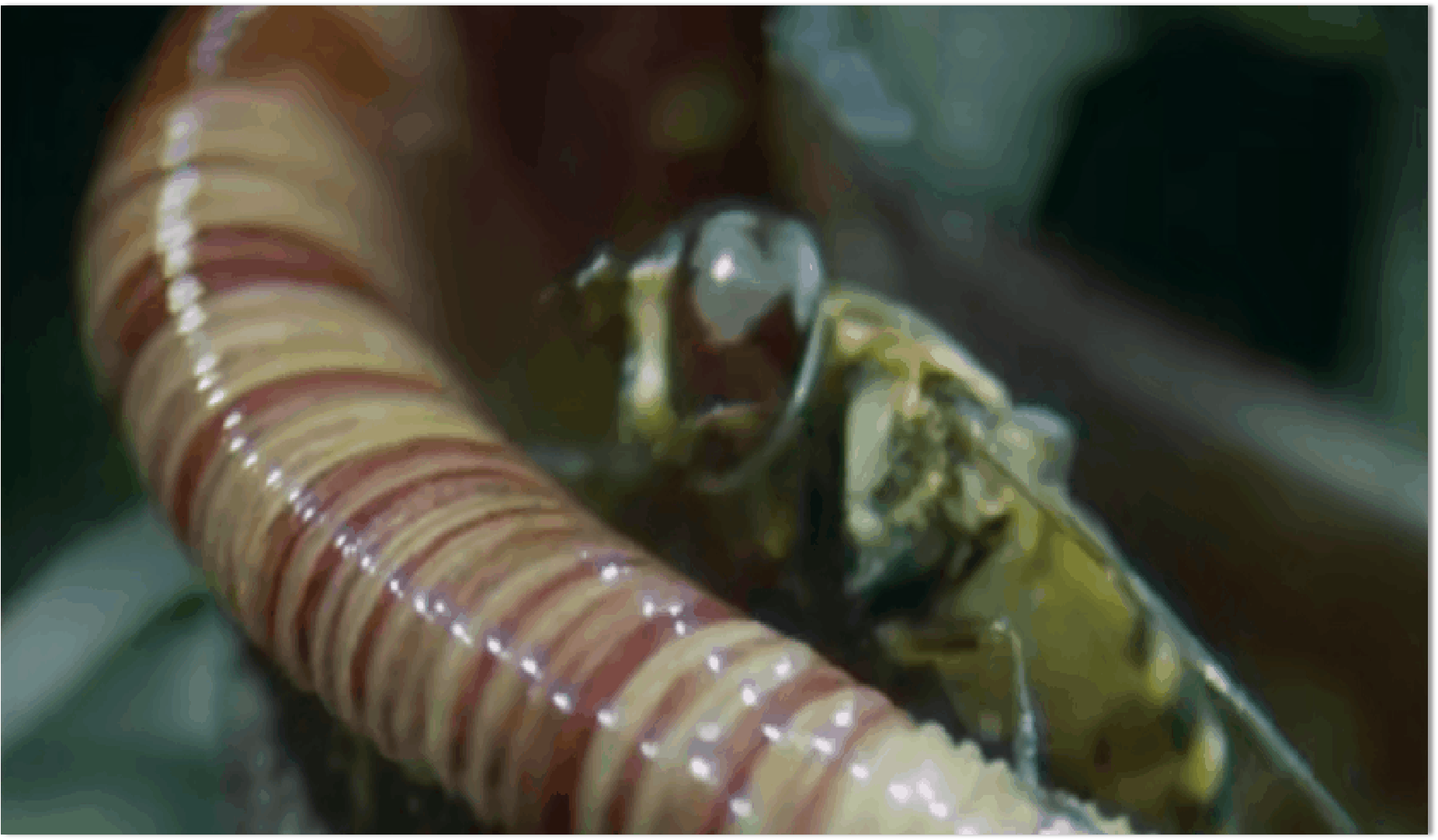
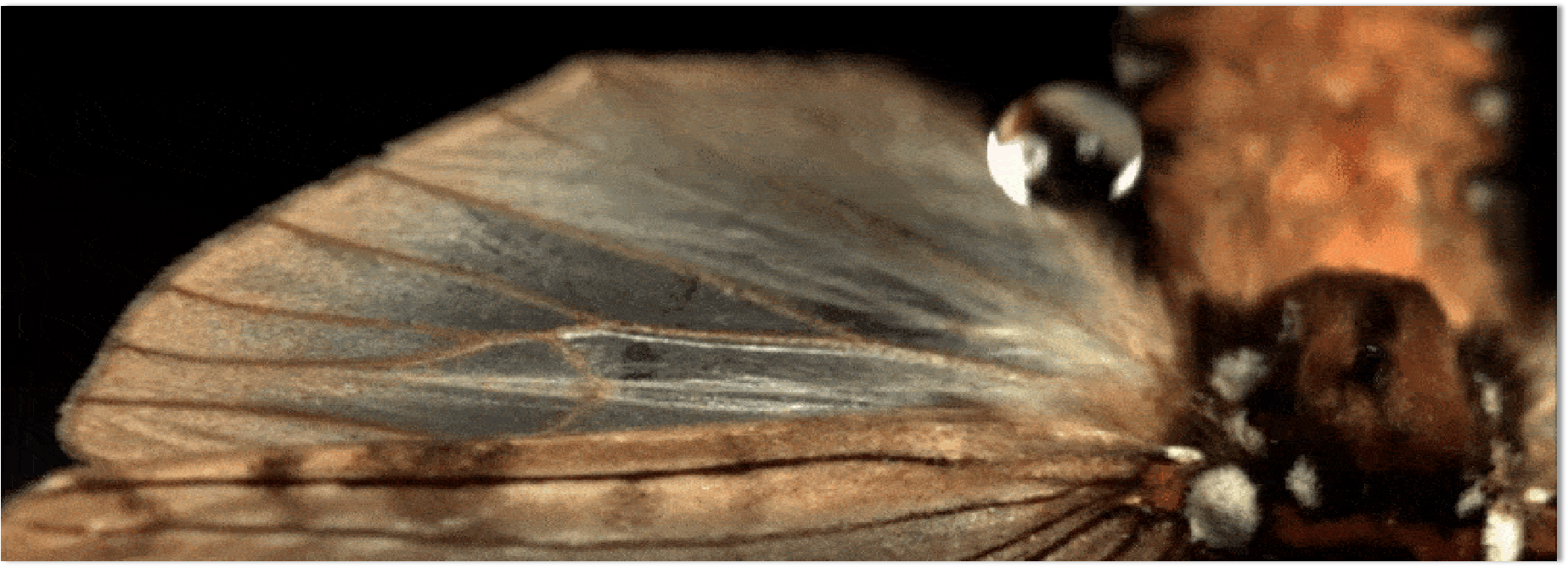
● Utilizes biomimetic principles on specially wetted surfaces to dynamically combine hydrophilic/hydrophobic and oleophilic/oleophobic behaviors as needed, effectively preventing dust and contaminants from adhering.
● Multiple Patented Technologies applied synchronously to the coating, providing comprehensive protection against various contamination sources.
 |
 |
Enhanced Light Transmission & Heat Dissipation
● Selectively filters spectral bands that do not contribute to power generation but increase panel temperature, reducing operational temperature and improving energy efficiency.
● Micro-nano core-shell technology: forms a non-film structure via surface chemical grafting, enhancing visible light transmittance.
● On top of clean glass surfaces, additionally improves 1.5–2% light transmittance. Nano-scale inorganic materials create uniform surface roughness, reducing refractive index discontinuities.

Superior Weather Resistance
● The coating demonstrates excellent weather resistance, withstanding outdoor sun, rain, high/low temperature cycles, and UV exposure; maintains stable performance and appearance over time, with a service life of up to five years.
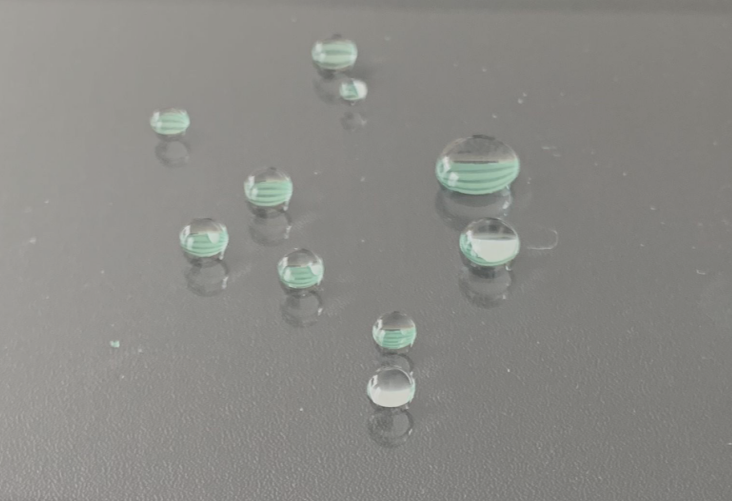
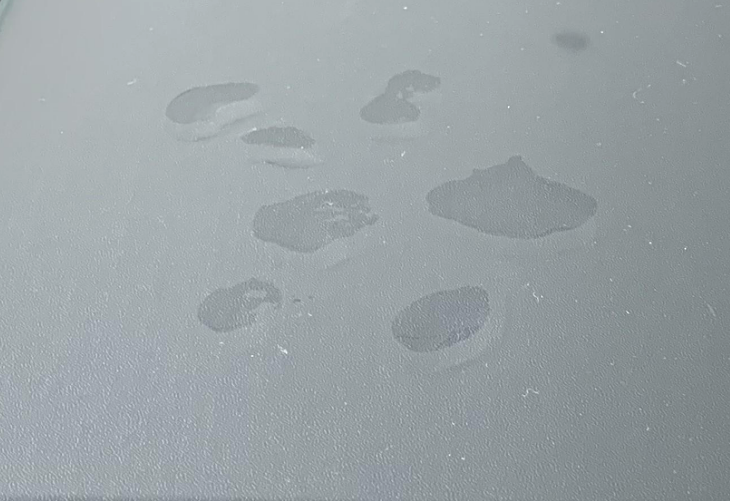
| Superhydrophilic Demo | Superhydrophobic Demo | |||||||
 |
 |
|||||||
|
Photovoltaic Panel Dust-Resistant Self-Cleaning Superhydrophilic Coating |
Photovoltaic Panel Dust-Resistant Self-Cleaning Hydrophobic Coating |
|||||||
|
Quality Indicators |
Basic Data |
Quality Indicators |
Basic Data |
|||||
|
Contact Angle / Sliding Angle GB/T 30447-2013 |
15.04° ± 0.2° |
Color |
Transparent |
Contact Angle / Sliding Angle GB/T 30447-2013 |
132° ± 1° / 15.2° ± 0.2° |
Color |
Transparent |
|
|
Adhesion ASTM D3359 |
5B |
Solid Content GB/T 2793-1995 |
5% |
Adhesion ASTM D3359 |
5B |
Solid Content GB/T 2793-1995 |
A: 1.9% B: 4.3% |
|
|
Artificial Weathering Resistance GB/T 1865-2009 |
20000 h, no change in film |
Coating Coverage |
100 m²/L |
Artificial Weathering Resistance GB/T 1865-2009 |
20000 h, no change in film |
Coating Coverage |
100 m²/L |
|
|
6M NaOH GB/T 9274-1988 |
1000 h, no change in film |
Drying Time GB/T1728-1989 |
Surface dry 4 h Full cure 24 h |
6M NaOH GB/T 9274-1988 |
1000 h, no change in film |
Drying Time GB/T1728-1989 |
Surface dry 4 h Full cure 24 h |
|
|
6M HCl GB/T 9274-1988 |
1000 h, no change in film |
|
|
6M HCl GB/T 9274-1988 |
1000 h, no change in film |
|
|
|
|
Neutral Salt Spray Corrosion GB/T 10125-1997 |
1000 h, no change in film |
|
|
Neutral Salt Spray Corrosion GB/T 10125-1997 |
1000 h, no change in film |
|
|
|
|
Dust Load Reduction |
0.23%, reduced by 37% |
|
|
Dust Load Reduction |
1%, reduced by 79% |
|
|
|
|
Disclaimer: The above data are measured under laboratory conditions according to national standards. Due to uncontrollable environmental factors in real-world applications, no guarantee is made regarding reasonable deviations. |
Disclaimer: The above data are measured under laboratory conditions according to national standards. Due to uncontrollable environmental factors in real-world applications, no guarantee is made regarding reasonable deviations. |
|||||||